

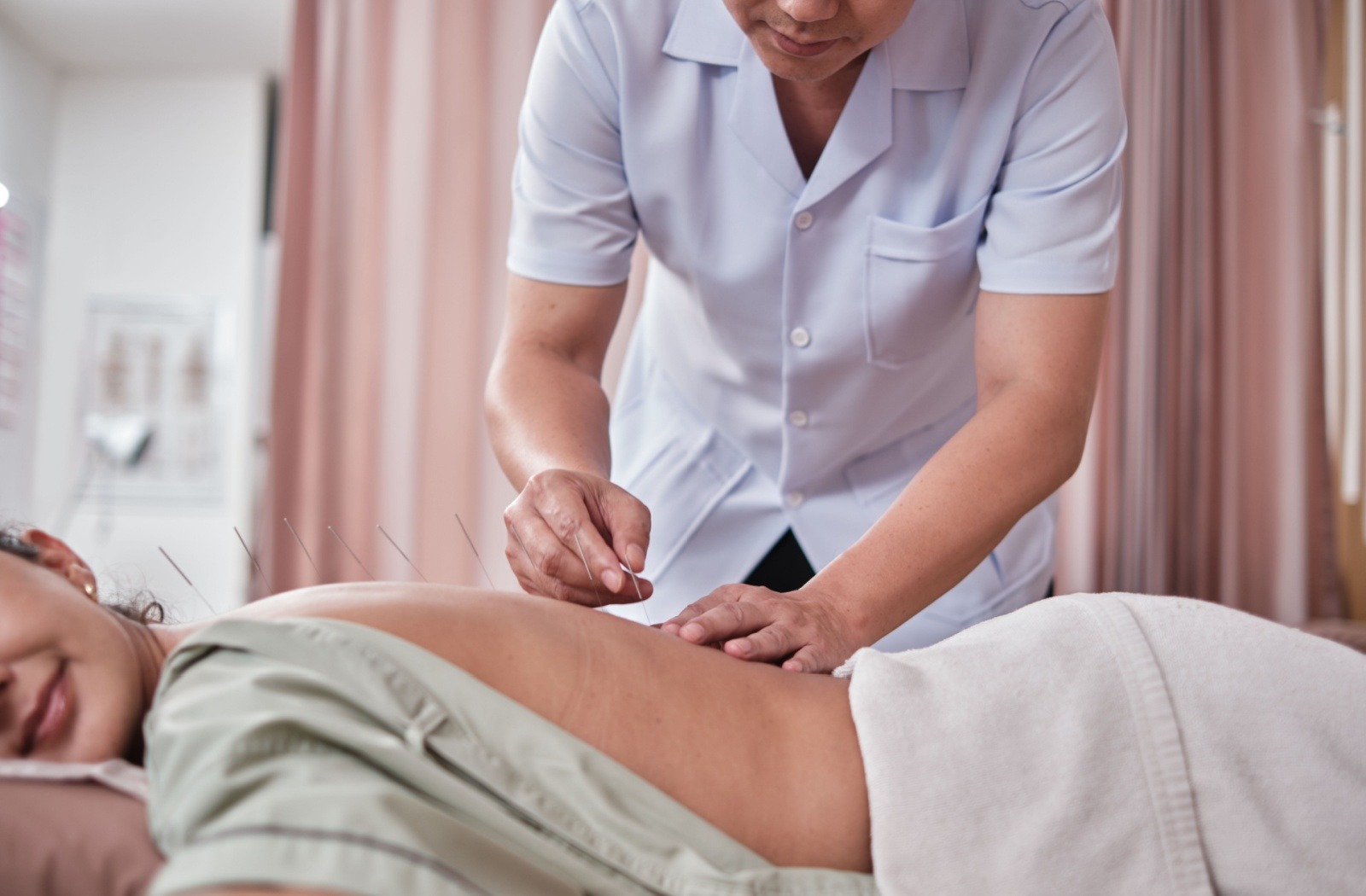
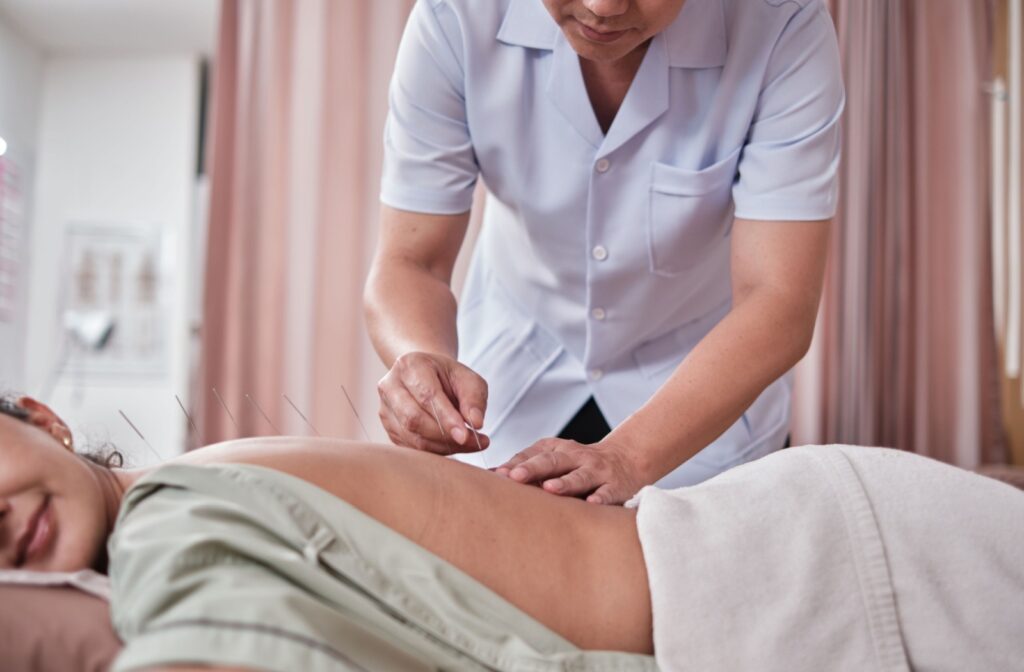
Many people are curious about acupuncture but hesitate because they have questions about the treatment. While the idea of needles can be intimidating, the experience is often quite different from what you might imagine.
Acupuncture is not typically painful; the sensation is usually a mild prick or dull ache, not a sharp pain. Many people find the process to be gentle and restorative. Your comfort is our main focus throughout the treatment, and our practitioners are here to guide your healing.
What to Expect from Your First Acupuncture Session
If you’re new to acupuncture, it’s helpful to know what the process feels like. Your practitioner will guide you through every step, helping you feel safe and comfortable.
The Sensation of the Needles
Acupuncture needles are extremely thin—much finer than the needles used for injections or blood tests. You might feel a tiny prick as a needle is placed. This sensation may be followed by a slight dull ache. Once the needles are in place, however, most people feel a sense of calm and deep relaxation.
Other Feelings You Might Notice
It’s common to feel a heavy or tingling sensation around the needle points during a session. This is a normal part of the process and a sign that the treatment is working with your body. Some people also experience a gentle emotional release, leaving them feeling lighter and more at ease.
How to Prepare for Your Session
To prepare, simply wear loose, comfortable clothes for your appointment. This allows your practitioner to easily access different points on your arms and legs. You typically won’t need to remove all your clothing, just enough to expose the areas undergoing treatment.
How Acupuncture Can Help After an Accident
If you’ve been in an accident, you want relief that supports your body’s natural healing process. Acupuncture can be a helpful part of your recovery plan. It’s often used for issues that appear after a collision or other type of injury.
Pain & Inflammation Relief
Acupuncture can help calm the body’s pain signals. It’s frequently used to address the discomfort that comes from whiplash, sprains, and strains. This can make your recovery feel more manageable.
Help with Muscle Stiffness & Spasms
Injuries often cause muscles to become tight, stiff, and prone to spasms. Acupuncture aims to release this built-up tension, which can improve your mobility and reduce pain.
A Complement to Your Calgary Physio Plan
Acupuncture can be a good complement to other treatments, like physiotherapy. It can help prepare your body for manual therapy or the exercises your physiotherapist prescribes. This combination can create a more complete approach to your care in Calgary.
Common Conditions We Address with Acupuncture
Acupuncture can be used as part of a treatment plan for many different types of pain and discomfort. This includes:
- Back & neck pain
- Headaches & migraines
- Joint pain—including bursitis & arthritis
- Sciatica
- Muscle tension
Acupuncture & Your Broader Treatment Plan
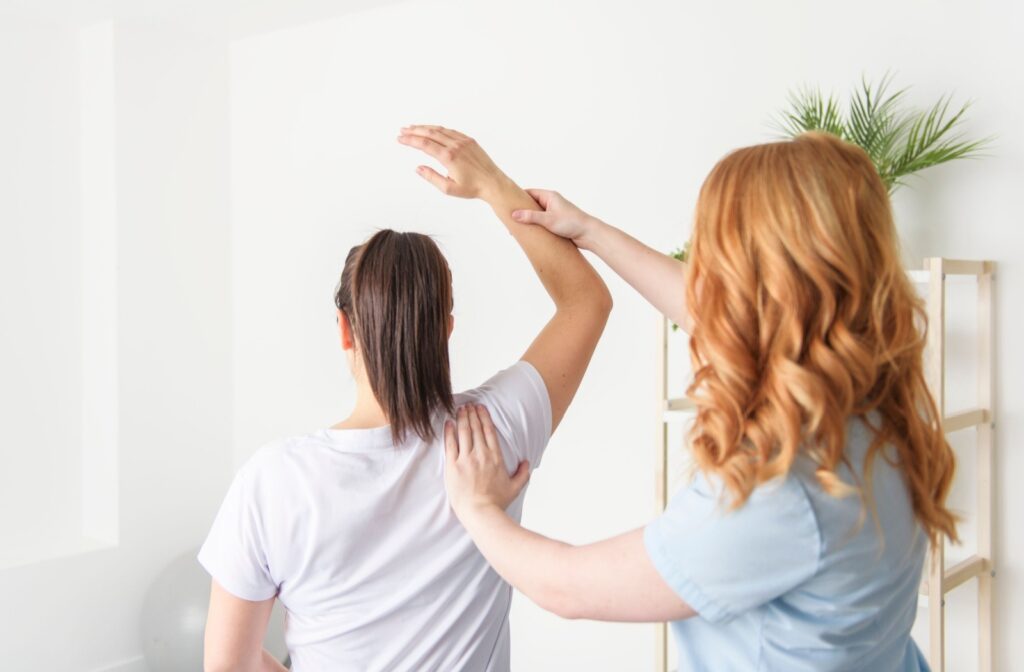
We view acupuncture as a tool that we can use as part of a comprehensive care plan. We don’t consider it a standalone fix. Instead, we integrate acupuncture with other services to help you reach your health goals.
Acupuncture & Physiotherapy
When used alongside a physiotherapy program, acupuncture can help manage pain and inflammation. This can make it easier for you to perform your rehab exercises. You may find that you get more out of each physiotherapy session.
Support Your Chiropractic Adjustments
Acupuncture can help relax the muscles that support your spine. This may improve the effectiveness of the work done by your chiropractor. A more relaxed body can often respond better to adjustments.
Combine With Massage for Full Relief
For deep muscle tension and knots, it can be helpful to pair acupuncture with therapeutic massage. This combination targets both the surface and deeper layers of muscle and offers a powerful approach to relief and recovery.
Your Questions About Treatment Answered
It’s natural to have questions before you try something new. We want you to feel informed and confident about your care, so we’ve answered a few common questions we hear from our patients.
The Most Sensitive Acupuncture Points
Some areas of the body, like the hands and feet, can be more sensitive than others. Your practitioner is mindful of this and will communicate with you throughout the session. We work to keep you comfortable from start to finish.
What Happens After Your Treatment
Many people report feeling relaxed or even energized after an acupuncture session. It’s a good idea to drink plenty of water and take it easy for the rest of the day. This gives your body time to process the treatment.
How Many Sessions You Might Need
The number of sessions you may need depends on your situation and your personal health goals. Your practitioner will discuss a recommended treatment plan with you during your first visit.
At Running Shoe Restorative Healthcare, we’re here to provide the tools and education you need to move and feel your best. We create personalized plans that may include acupuncture alongside physiotherapy, massage, and/or concussion management to help you get back to your life.Contact us to find out if acupuncture is the right choice for you.