



You hit your head during a game, slipped on ice, or got rear-ended at a stoplight. Now your head aches, your thoughts feel foggy, and you’re wondering if something is actually wrong. Our team at Running Shoe Restorative Healthcare understands how frustrating that uncertainty feels, especially when you still feel “off” days later.
If you took a blow to the head or body and feel different than usual, you may have a concussion, even if you never lost consciousness. A quick symptom check can help you understand what your body is telling you and what step to take next.
How the Concussion Quiz Works
The concussion quiz is a quick yes-or-no symptom check you can do from your phone or computer. You won’t need to share your email or sign up for anything. It can help you notice symptoms that may be worth discussing when you book an assessment with our clinic.
Think of the quiz as a starting point, not a diagnosis. A quiz cannot confirm or rule out a concussion, so seek medical assessment if you think you may have one. It can help you put words to what you’re feeling and give our team useful details to review with you later.
Take the Quiz Now
Ready to check your symptoms? You can take the Calgary Concussion Centre quiz in just a few minutes.
While you answer, try to remember when your symptoms started. Tracking the day and time can help you and the team spot patterns and measure how things change.
Common Signs & Symptoms of a Concussion
Concussion symptoms show up in different ways for different people. Some hit right away, while others creep in over hours or even days.
Keep an eye out for these common symptoms:
- Physical signs like headache, dizziness, nausea, and sensitivity to light
- Cognitive signs like brain fog, memory trouble, and poor focus
- Mood swings and changes in how you sleep
Why You Don’t Need to Black Out
Many people think a concussion means passing out, but you can have a concussion without losing consciousness.
That means you can have a concussion and stay fully awake the whole time. If you simply feel “not right” after a hit, that feeling alone can signal an injury worth checking.
How Concussion Signs Differ by Age
A concussion can look different depending on how old someone is. Knowing what to watch for helps you respond faster for the people you care about.
Children & Teens
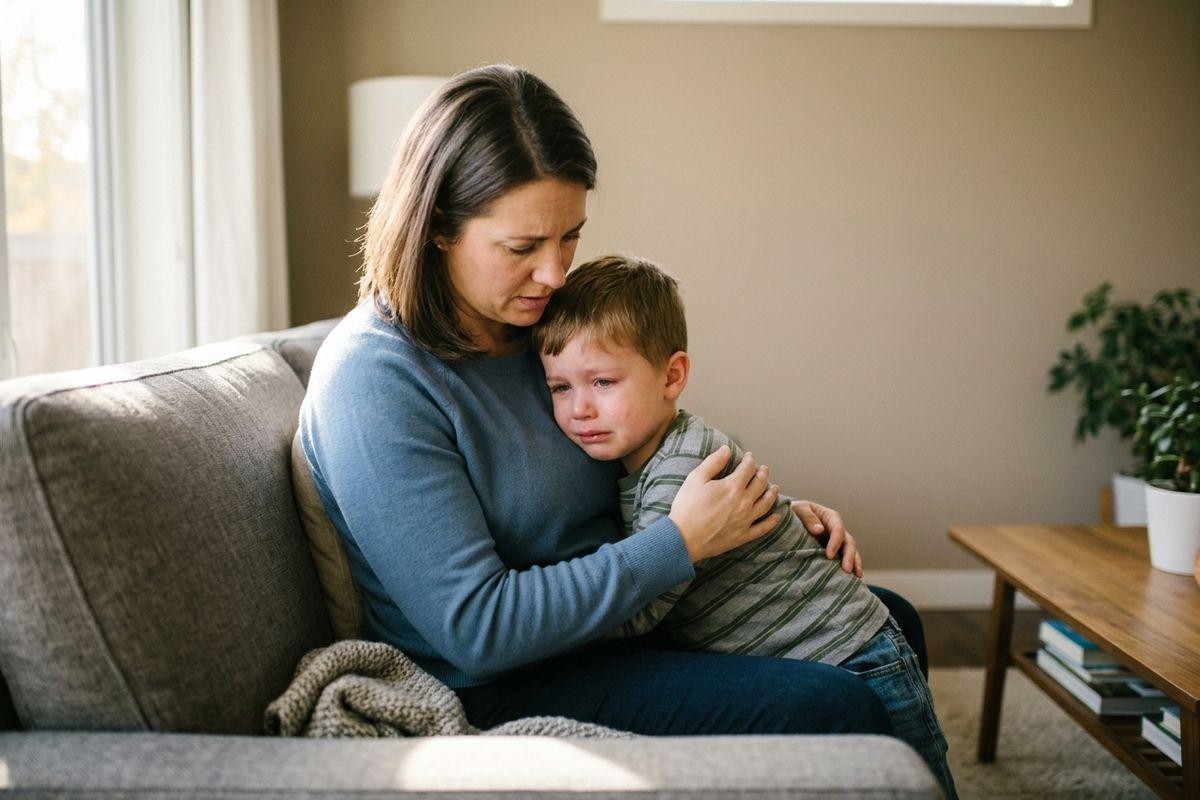
Young kids may not have the words to explain what hurts. Instead, you might notice clinginess, tearfulness, or a sudden loss of interest in toys and games they normally love.
Teens often want to jump back into sports right away. A full recovery before they return to play helps protect their brain from a second, more serious hit.
Adults 65 & Over
For older adults, falls are a top cause of head injuries. A stumble in the kitchen or a missed step can be enough to cause a concussion.
Slow bleeding in the brain can also mimic memory loss, so new confusion deserves close attention. When something seems off, it’s worth taking seriously.
When to Seek Emergency Care
Most concussions improve with rest and care. Some symptoms, however, point to a more serious problem that needs immediate help.
Get emergency care right away if you notice any of these:
- A headache that keeps getting worse or repeated vomiting
- Seizures or sudden confusion
- Unequal pupils, slurred speech, or weakness in an arm or leg
- Clear fluid leaking from the nose or ears
What to Do at Home First
For milder symptoms, start with relative rest for the first 24 to 48 hours. Keep things calm, prioritize sleep, and avoid activities that could risk another hit.
After that, gradually return to light daily activity as symptoms allow. Above all, protect yourself from a second head injury, since another hit too soon can slow your recovery.
Support for Lasting Concussion Symptoms in Calgary
Sometimes symptoms stick around longer than expected. When they last past three months, that can point to post-concussion syndrome, also called PCS.
The team offers concussion care in Calgary, with treatment plans shaped around your symptoms, goals, and daily life. For symptoms tied to a car accident or another collision, your care plan can also reflect the demands of work, driving, and everyday movement.
What Concussion Care Can Include
Your plan may include vestibular therapy for dizziness, vision therapy for eye strain, and gentle exercise therapy to rebuild your tolerance. Each piece can be adjusted as you heal.
This holistic, evidence-based approach treats you as a whole person, not just a list of symptoms. The goal is to help you feel steady, clear, and ready to move again.
At Running Shoe Restorative Healthcare, concussion care meets you where you are and grows with your recovery. Take the Calgary Concussion Centre quiz today, then book your visit with our clinic to start moving forward.